Kyorene is deeply committed to protecting the planet. This dedication drives us to continually evaluate and refine our processes to minimize environmental impact.
A significant new milestone is about to start, after the establishment of the Wastewater Treatment Facility and Waste Gas Control Facility, as well as our achievement of becoming one of the most renowned solar companies in the world, capable of meeting 85% of our electricity demand through solar energy.
The next phase in our sustainability journey focuses on addressing and reducing our CO₂ footprint.
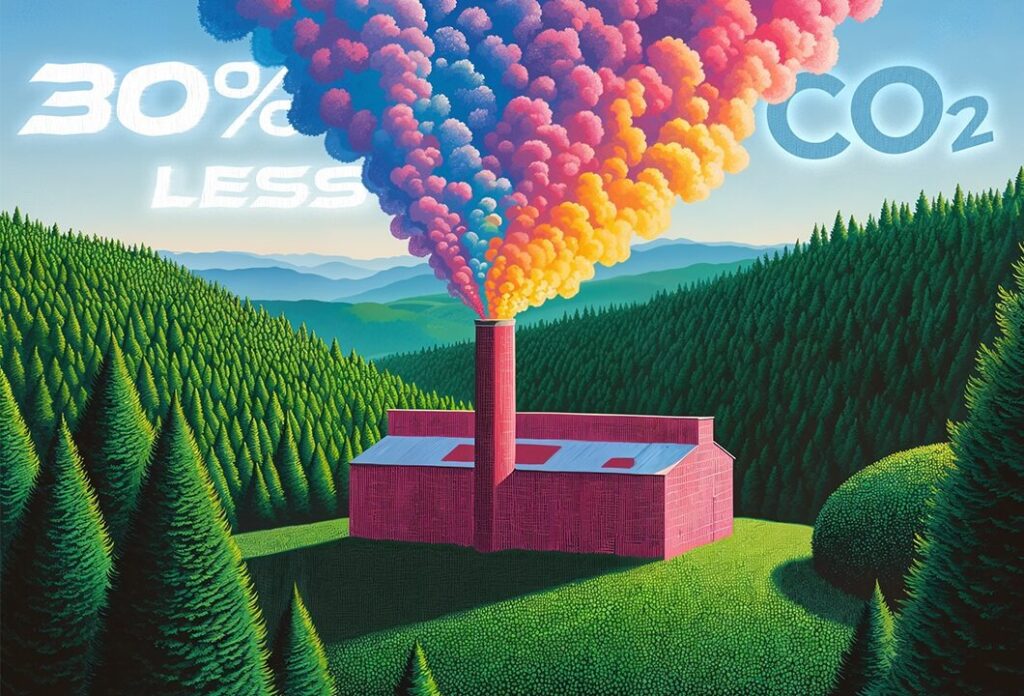
1. What do we mean by Carbon Footprints and how do we calculate it?
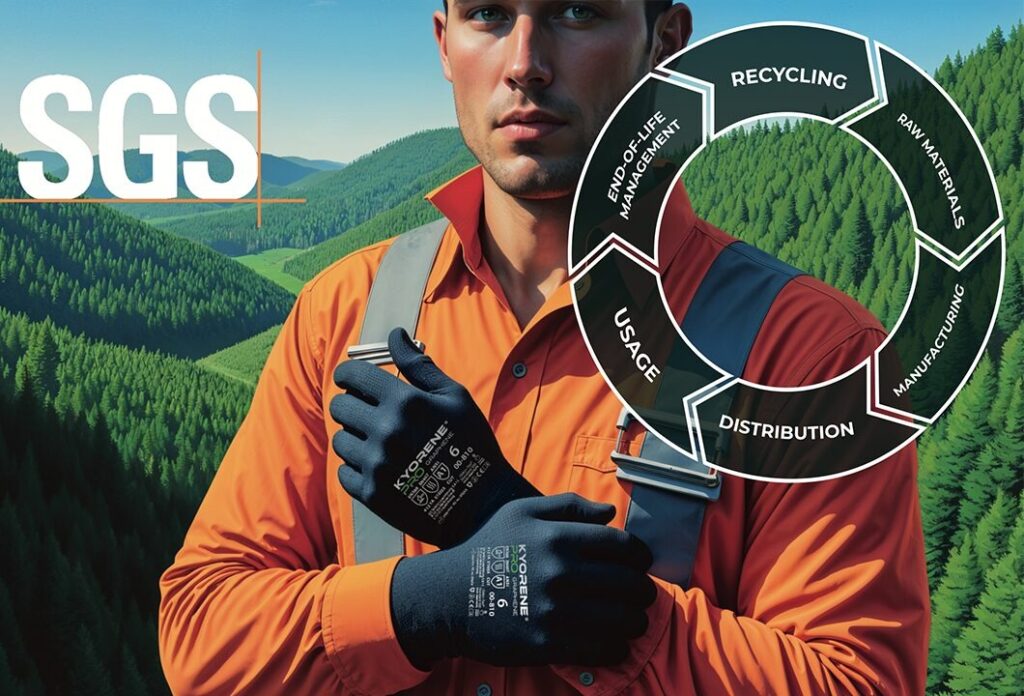
At Kyorene, we are committed to measuring and reducing the Product Carbon Footprint (PCF) of our offerings. This process quantifies the greenhouse gas emissions generated by both direct and indirect activities throughout the entire life cycle of our gloves. Our approach relies on a life cycle assessment conducted by SGS, the world’s leading testing, inspection and certification company, which evaluates greenhouse gas emissions at every stage of a product’s journey, from cradle to grave. These stages include:- Extraction of raw materials, their production, and transportation.
- Processing and manufacturing of the product.
- Distribution to customers.
- End-use of the product by consumers.
- Final disposal or recycling of the product at the end of its life cycle.
2. Which Standards and Methodology do we use?
Kyorene bases its carbon footprint assessments on internationally recognized standardsand norms to ensure accuracy, transparency, and consistency. The following standards will guide the assessment process:- ISO 14040: Provides principles and a framework for conducting Life Cycle Assessments (LCA), evaluating the environmental impacts of products from raw material extraction to disposal.
- ISO 14044: Outlines detailed requirements and guidelines for performing comprehensive LCAs, ensuring assessments are scientifically robust and consistent across industries.
- ISO 14067: Specifies the requirements and guidelines for quantifying and communicating the carbon footprint of products, with a focus on greenhouse gas emissions and their environmental impact.

3. Why do we calculate the CO₂ footprint of our products?
Calculating Kyorenecarbon footprint allows us to implement more efficient processes and technologies that reduce energy consumption, waste, and emissions. This not only lowers our carbon footprint but also reduces operational costs, creating a more cost-effective and sustainable business model. Additionally, our efforts to measure and reduce CO₂ emissions enhance transparency and communication with our stakeholders, providing a clear picture of our environmental performance and underscores our commitment to sustainability. Through these actions Kyorene actively contributes to a greener planet and actively supports global sustainability goals.